img

ERP software for the Mining Industry

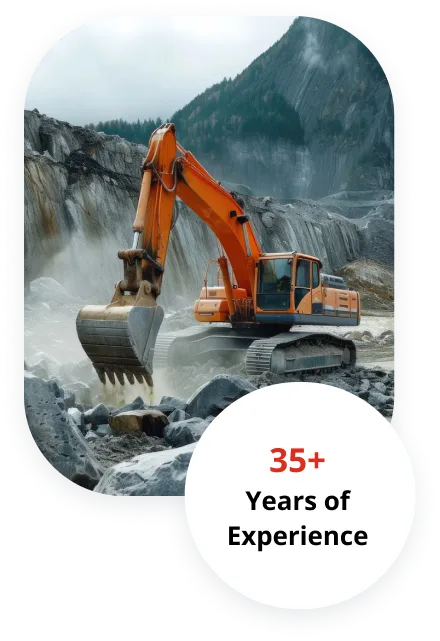
The mining industry is a crucial sector that involves the extraction of valuable minerals and resources. The mining industry involves complex processes like resource allocation, logistics equipment management, and inventory tracking.

This sector is crucial to the global economy as a supplier of raw materials for industries like manufacturing, energy, and construction.

Lighthouse mining ERP software streamlines this operation ensuring smooth workflows and strategic decision making. By addressing several key challenges, such as resource management, regulatory adherence, and operational efficiency. By providing a centralized platform for data management, ERP software enables mining companies to monitor and optimize processes such as inventory management, supply chain logistics, and financial reporting.
ERP Software For Transmission Line Tower Industry
lighthouseindia
lighthouseindia

Challenges of the Mining Industry

challenges-ethanol-volatile-raw

Barriers to Efficient Mining Operation

Inefficiencies in excavation and haulage management results to delays. Decision-making is impeded by fragmented data and inadequate planning for material handling, blasting & drilling.

challenges-ethanol-supplychain

Contractor Maintenance and Tracking Issues

Asset management issues that require a streamlined solution include poor contractor management, excessive maintenance, and disorganized tracking.

challenges-ethanol-supplychain

Material Tracking and Transport Challenges

Key issues in logistics include inadequate tracking across multiple transport modes and difficulty monitoring material movement by grade at transit and storage locations.

challenges-ethanol-energyconsumption

Quality Control Inconsistencies in Operation

Inconsistent quality checks across locations and the absence of integration with dispatch workflow disrupt operational stability.

challenges-ethanol-processefficiency

Divisional Transparency and Budgeting Issues

Divisional financial transparency, multi-currency management, and inadequate exploratory budget tracking lead to inefficiencies and endanger international operations and project success.

challenges-ethanol-processefficiency

Local and International Statutory Requirements

Navigating local and international regulations to meet statutory requirements like Mines Act, 1952 and MMDR Act, 1957 for mining operations and reporting.

Benefits of ERP for Mining Industry

Benefits of ERP for Mining
  • Tracking and Crushing Automation

    Utilize real-time tracking for efficient excavation and material movement. Implement a vehicle- specific slip number system for optimize haulage and automate processes like crushing and screening to boost productivity.

  • Managing Costs with Centralized Asset Control

    Centralize lifecycle management from procurement to retirement, schedule preventive maintenance to reduce downtime and monitor equipment and vehicle costs, including fuel and consumables to ensure effective budget management.

  • Real-Time Monitoring Logistics and Inventory

    Optimize logistics with real-time tracking of freight and materials and manage all movements scenarios inbound, outbound, inter-yard transfers and scrap handling while monitoring inventory by grade and size for seamless operations.

  • Automating Quality Checks and Dispatch Processes

    Ensure quality and compliance with a unified quality check system and automated weighbridge and lab processes for accurate dispatch.

  • Centralized & Automated Compliance

    Streamline compliance with automated statutory returns and centralized storage and easy access to all related documents.

Features of Lighthouse ERP for Mining Industry

icon

Excavation Management

Plan drilling, blasting and excavation with precise tracking of explosives, pit data and vehicle slips for efficient haulage and ensure daily planning with quick issue problem.

icon

Comprehensive Asset Management

Manage the asset lifecycle from planning and procurement to maintenance. Track vehicle and equipment costs, schedule and preventive and breakdown maintenance, monitor contractor activities and maintain records for optimal asset use.

icon

Streamlined Supply Chain Management

Oversee logistics across sea, rail and road for seamless freight handling. Track stock movement & material grades at key transit points and record all inward & outward movements including transfers, returns & scrap.

icon

Uninterrupted Sales and Dispatch

Streamline the sales cycle from enquiry to delivery. Generate delivery orders with advance payments, e-invoices linked to weigh slips and manage flexible pricing, discounts, contracts and credit control to boost sales.

icon

Comprehensive Financial Control

Manage division & project wise financial records for cost & profitability analysis. Handle real-time inter-division transaction, create budgets & support multi-currency & multi-operations while ensuring compliance & meeting business needs

icon

Quality Assurance & Automation

Ensure quality control and automate weighbridge operations for accurate measurements and efficient dispatch management

icon

Inventory Stock Management

Track stock by grade and size and optimize freight contracts for cost- effective transport.

icon

Statutory Compliance & Documentation

Manage and file statutory returns with the government and handling stack book and G-form records efficiently.

Frequently Asked Questions About ERP for Mining Industry

It's a centralized platform connecting mining operations — excavation, haulage, inventory, logistics, contractor management, and finance — so decisions aren't made off fragmented spreadsheets. Instead of each department tracking its own numbers separately, the ERP provides one consolidated view of resource allocation, equipment use, and material movement across the site.

Without a system in place, blasting, drilling, and material handling often run on disconnected plans, so a delay in one area ripples through the rest of the operation. ERP brings real-time tracking to excavation and haulage — including a vehicle-specific slip number system — so dispatchers know exactly what's been moved, by which vehicle, and where it's headed.

Mining companies have to file regular statutory returns and maintain records such as stack books and G-forms. ERP automates the generation of these returns and keeps related documentation centrally stored and easy to retrieve, cutting down the manual effort of compiling reports for local and international regulators and lowering the risk of missed filings.

Yes. Asset management covers the full equipment lifecycle, from procurement to retirement, including preventive maintenance schedules and running costs like fuel and consumables. Contractor activity — machine hours, tonnage moved — is logged digitally too, so payments can be tied to verified performance data rather than manual claims.

Weighbridge readings are captured automatically and linked directly to dispatch, so delivery orders, weigh slips, and e-invoices are generated from the same data without anyone re-keying figures. This reduces errors at the gate and shortens the time between a vehicle being weighed and the corresponding invoice being raised.

It does, which matters for groups operating across regions or with international partners. The finance module allows division and project-wise records, real-time inter-division transactions, budgeting, and multi-currency handling — giving management a consolidated financial picture without manually reconciling separate books per site or currency.

Ore and mineral stock is tracked by grade and size as it moves between mines, washeries, and storage yards. Because every movement — inward, outward, inter-yard transfer — is recorded as it happens, stock figures stay accurate, and freight contracts can be optimized based on real consumption and dispatch patterns rather than estimates.